The Russian HORECA (Hotel, Restaurant, Café) market is a land of opportunity. Valued at over $25 billion, it is a magnet for international suppliers eager to equip Moscow‘s finest restaurants, hotels, and coffee shops. However, the path to a signed contract at a bustling trade show like PIR Expo is rarely a straight line. It winds through crowded aisles, involves complex technical specifications, and requires navigating a distinct business culture.
In this environment, relying on a smartphone app or broken English is a recipe for misunderstanding. The secret weapon of successful international exhibitors in Russia is the professional interpreter — a specialist who does much more than just translate words.
The Crown Jewel of Russian HORECA: PIR Expo Moscow
To understand the demand, one must understand the venue. PIR Expo, held annually at the Crocus Expo International Exhibition Center, is the largest and most influential professional event for the hospitality industry in Russia and Eastern Europe. It is the place where business gets done.
- The Scale: Annually, the event brings together over 30,000 industry professionals, including restaurateurs, hotel managers, and F&B buyers from across Russia and the CIS countries.
- The Exhibitors: More than 1,200 companies showcase everything from premium gourmet ingredients and commercial kitchen appliances to franchise opportunities and AI-driven customer service tools.
- The Atmosphere: The show features live culinary battles, a Bar & Mixology Show, and masterclasses from top chefs — all of which require clear, immediate communication.
For an international brand, walking into PIR Expo without an interpreter is like bringing a menu to a table without a waiter. You have the product, but you lack the service to sell it.
The Interpreter vs. The “Hostess”: Understanding the Roles
At Russian trade shows, you will frequently see two distinct roles, and it is vital to know the difference:
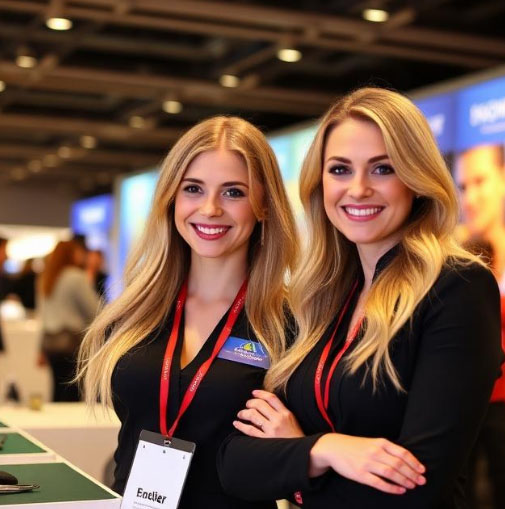
- The Booth Hostess (Greeter): Their primary role is hospitality. They greet visitors, manage the flow of traffic, offer samples (coffee, wine, food), and handle basic registration. They are the smiling face of the brand. While some hostesses speak English, their expertise is in engagement, not complex negotiation.
- The Professional Interpreter (Translator): This is your strategic partner. They are not there to smile and hand out brochures; they are there to facilitate the technical conversation that leads to a sale. They handle consecutive interpretation during meetings, translate technical specifications for industrial dishwashers or refrigeration units, and navigate the nuances of a Russian negotiation.
Savvy exhibitors often hire both: a hostess for initial attraction and an interpreter for deep-dive sales conversations.
Why Russian Business Culture Demands a Human Interpreter
In the Russian B2B environment, relationships are paramount. Deals rarely close on the first handshake; they require building trust. An AI headset cannot read the room, but a human interpreter can.
The “Third Guest” Phenomenon: In Russian business culture, direct confrontation is often avoided. A professional interpreter acts as a buffer. If a buyer thinks a price is too high, they might say something indirect. The interpreter understands the cultural subtext and can phrase the objection diplomatically, allowing the sales rep to respond without losing face.
Technical Accuracy is Non-Negotiable: The HORECA industry is filled with jargon. Confusing a “blast chiller” with a “freezer” or mistranslating “import substitution ingredients” (a major trend in Russia due to current market dynamics) can cost a deal. Professional interpreters prepare glossaries in advance to ensure that “smart kitchen automation” and “zero-waste solutions” are translated with 100% technical accuracy.
Practical Tips for Exhibitors at Crocus Expo
If you are planning to exhibit at PIR Expo or similar events like FOOD EXPO, here is how to maximize your interpretation budget:
- Hire Local, Not Remote: Bring an interpreter who lives in Moscow. They understand the current market sentiment, know the venue (Crocus Expo is massive), and can navigate any logistical hiccups.
- Book Early for PIR Expo: Given the sanctions and current geopolitical climate, high-quality English-Russian interpreters are in high demand for these specific dates. Do not wait until the week before.
- The “Briefing Breakfast”: Do not just shake your interpreter’s hand at the booth. Take them for coffee 30 minutes before doors open. Walk them through your product. Show them the “unique selling points.” If you are selling wine, let them taste it. If you are selling machinery, show them the manual. This preparation turns a good interpreter into a great one.
- Shift Changes are Crucial: Interpreting is mentally exhausting. If you are running a busy booth for 8 hours, schedule two interpreters to swap every 60–90 minutes. A tired interpreter makes mistakes; a fresh one closes deals.
The Russian HORECA market is hungry for innovation, sustainability, and quality. But language remains the final barrier. While a beautiful booth and a great product will get a visitor to stop, only clear, culturally aware communication will get them to sign.
Invest in a professional Russian interpreter. They are not an expense; they are the bridge between your international brand and the lucrative tables of Moscow’s finest establishments. In the world of hospitality, after all, the most important service is being understood.